Professor Caroline Scarles works in partnership with the Environment Agency Blue Space Forum in her role as BSF Steering Group Member, to support and advance evidence, knowledge and understanding of the importance of blue space in health inequalities and environmental protection.
Action to date:
- Participation and engagement in Blue Space Forum Series, Environment Agency, 2022-23
- Co-host with lead host, Dr Catherine Kelly (University of Brighton) of Blue Space Horizons Workshop (June 2024)
- Partnership with EA for UK’s first Blue Space in UK Policy Workshop & Seminar Series
Blue Space in UK Policy (Jan 2026 – present)
Participants to date:
Environment Agency, DEFRA, Swim England, Paddle UK, Natural England, British Triathlon, Beach Access Project, National Trust, University of Brighton, University of Portsmouth, Northumbrian Water Ltd, Thames 21, RNLI, Activity Alliance, Canal & River Trust, CLA, UK Health Security Agency
Building on the Blue Space Forum series hosted by the Environment Agency in 2022-23, the Blue Space in UK Policy seminar series, brings together policymakers, researchers, practitioners, and community partners to explore how blue spaces—rivers, lakes, canals, and coasts—can be more effectively embedded within UK policy frameworks for environmental resilience, health, and wellbeing whilst contributing to the growth and health missions.
In doing so, it advances findings from the Blue Space Forum: Health and Inequalities Project report (2024), Blue Horizons practitioner workshop (co-hosted by the EA, Kelly, Scarles, June 2023). The series advances both these debates as well as current positions published through the Cuncliffe Report (2025), the Source to Sea project initiative (2020-2025) supporting the reconnection of waterways from upland rivers to coastal waters, and the London Environment Committee Swimmable Rivers report (2025). Findings to date emphasise the need for the improvement of water quality, resilience and equitable access and the direct intersection of access to clean, safe blue spaces with social and health inequalities.
Together, these frameworks provide the foundation for the Blue Space in UK Policy seminar series as a mechanism for elevating blue space research within the academic community, but vitally working to co-create interventions supporting both environmental and public health, advancing ecological recovery while directly addressing health and wellbeing inequalities. In doing so, the proposed series aligns with the UK Government’s 25 year Environment Plan (DEFRA, 2018) and the Environmental Improvement Plan (DEFRA, 2023) and directly responds to the growing call for policy intervention and integration across environment, health, and social justice.
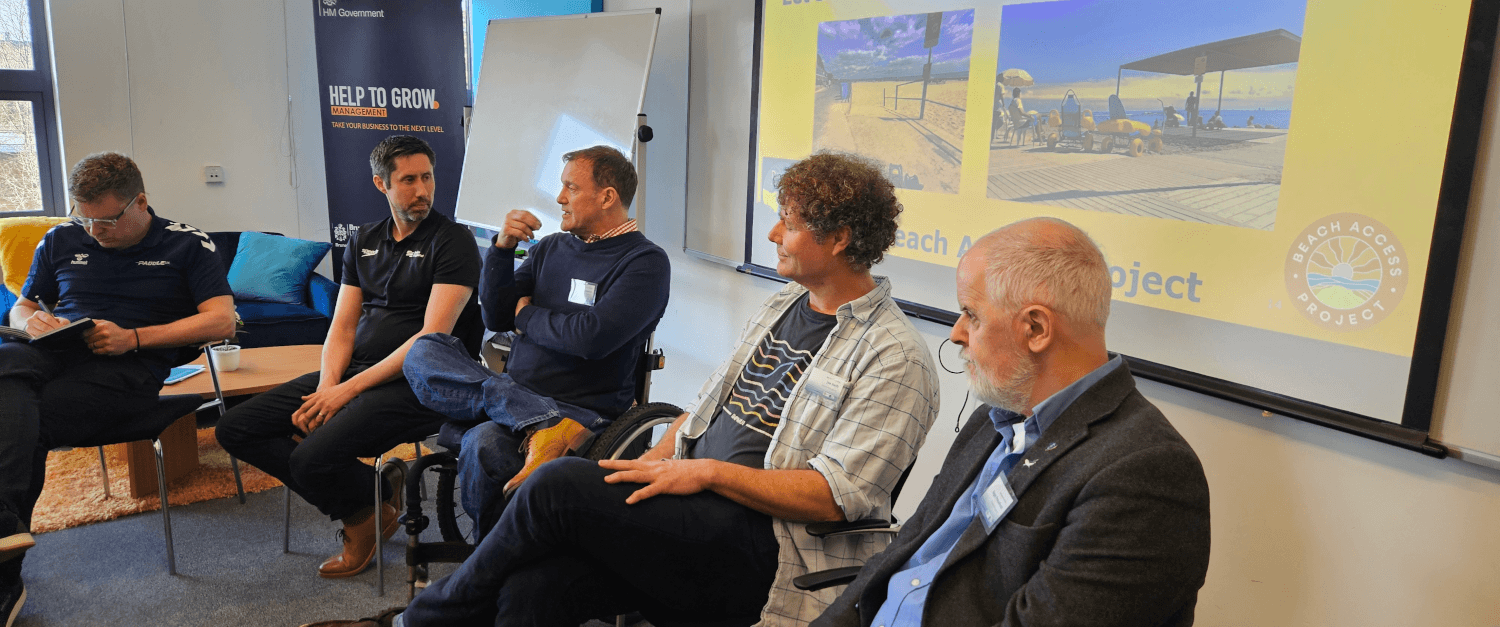
Overall, the Blue Space in UK Policy seminar series extends the Environment Agency’s Blue Space Forum and Inequalities in Health and the Environment agendas by:
- Translating research evidence on blue space, health, and wellbeing into co-created actionable UK policy recommendations.
- Providing a space for advancing cross-sector collaborations that combine environmental recovery with public health and social equity priorities in blue spaces.
- Strengthening an interdisciplinary network linking policy, environmental recovery, health, and community engagement.By grounding blue space policy in environmental recovery, health equity, accessibility and inclusion, this series positions environmental justice as a foundation for public wellbeing, advancing EA priorities for fairer, cleaner, and more resilient environments.

There are five key objectives underpinning the Blue Space in UK Policy seminar series:
- Policy Translation: Convert existing environmental and public health research into tangible UK policy recommendations addressing water quality, access, and health inequality.
- Cross-Sector Collaboration: Bring together policymakers, practitioners, researchers, and community groups to co-design frameworks for blue space governance.
- Equity and Inclusion: Highlight disparities in access to blue spaces and propose equitable interventions aligning with the Environment Agency’s Inequalities in Health and the Environment (2021) agenda.
- Evidence Integration: Link datasets and methods from environmental science, health geography, and social policy to support integrated approaches to blue space management.
- Capacity and Network Building: Establish a national Blue Space Policy Network connecting universities, public agencies (e.g., EA, DEFRA, DHSC), and local communities for long-term research and policy collaboration.