Roots Without Borders: How the Soil of Nigeria Continues to Shape My Journey in Community Growing
Dorcas Koforowola
Every seed carries two stories, the one it came from, and the one it is yet to become.
Whenever I kneel to plant a seed in a community garden in Reading, England, I am transported thousands of miles away to the rich dark/red soil of Nigeria.
Although the landscapes are different, the language of the earth remains the same.It still teaches patience. It still rewards consistency. And above all, it still reminds us that no one truly grows alone.
Today, as a Garden Tutor, Eco-Schools Ambassador, sustainability advocate, and former Coordinator of the GiFTS (Gathering in Food Telling Stories) Project with Incredible Edible Reading, I spend much of my time helping communities reconnect with food, nature and one another.
But long before community gardens became my workplace, farming had already become part of my identity.
Roots in the Soil
I was born in Jos, Plateau State, Nigeria, in the late 1980s, a place often affectionately called the Home of Peace and Tourism. Perched high above sea level, Jos is unlike anywhere else in Nigeria. Its cool climate, rolling hills, fertile volcanic soils and expansive rock formations create a landscape that seems designed for cultivation. The early mornings arrive wrapped in mist, the air carries the scent of damp earth, and fields stretch across the plateau in rich shades of green, dotted with vegetables, grains, fruit orchards and grazing livestock. It is a place where nature quietly teaches abundance. Some of my earliest memories are not of classrooms or playgrounds. They are of fields.
Growing up in Nigeria, agriculture wasn't an activity, it was simply life. The mornings often began before sunrise. Adults moved with quiet purpose while children learned by observing rather than being instructed. The rhythm of planting, watering, harvesting and sharing was woven into everyday living.
The farm was never just about food. It was where communities gathered, neighbours exchanged labour, children learned responsibility, grandparents passed on wisdom that no textbook could teach. I learned very early that food carries stories. Every yam mound represented months of hope. Every vegetable harvested represented resilience. Every shared meal reminded us that farming is ultimately an act of generosity.
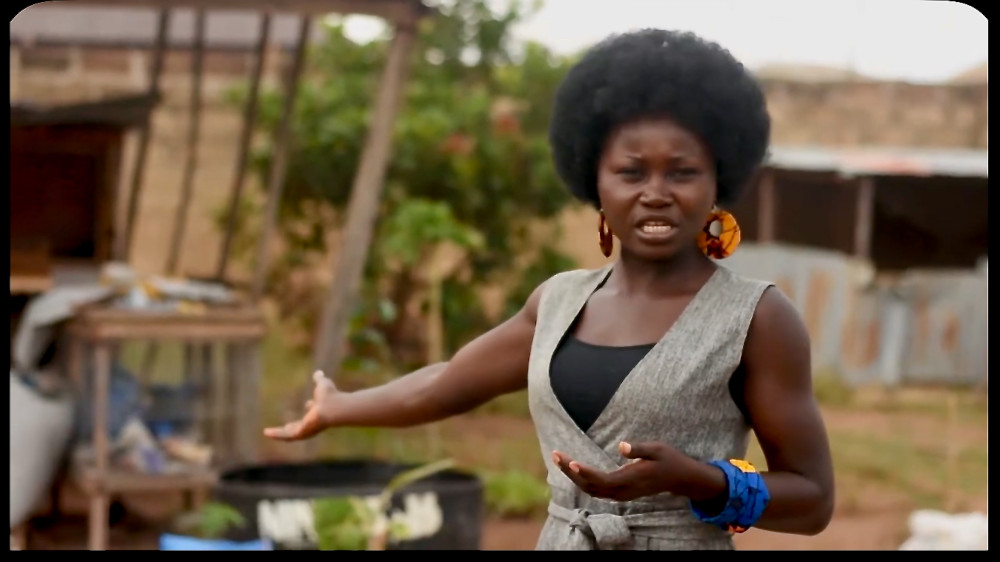
Figure 1: Farming in Jos Plateau, Nigeria (Dorcas Koforowola)
The land taught me that abundance is not measured by how much we keep, but by how much we can share. Those lessons have remained with me ever since.
The Decision to Move
Moving to the United Kingdom changed almost everything about my surroundings. The climate was different. The seasons behaved differently. The crops were unfamiliar. Even the pace of growing felt slower.
My move to the UK was never simply about relocating, it was about pursuing a dream. With the unwavering encouragement and support of my husband and life partner, I chose to pursue postgraduate studies in Early Years Foundation Stage Education, believing that lasting environmental change begins with the youngest members of society. If we want future generations to care for the planet, they must first be given opportunities to love, understand and experience nature from the very foundation of learning.
This passion had already shaped much of my work in Nigeria. I had been privileged to serve as an Eco-Schools Facilitator with FABE International Foundation in Lagos, helping schools embrace environmental education and sustainable practices. Alongside this, I designed and facilitated gardening programmes for people of all ages, from curious young children discovering how seeds grow, to senior citizens reconnecting with memories through farming and nature-based activities across different states in Nigeria. These experiences convinced me that gardens are far more than places where food is grown. They are outdoor classrooms, spaces for healing, centres for creativity and powerful environments where communities learn to care for one another and for the natural world.
For a while, food became something people purchased rather than produced. I realised how disconnected many people had become from understanding where their food actually came from. Yet this new environment also revealed something unexpected. Across Reading were hidden pockets of hope; community gardens, allotments and volunteers quietly transforming neglected spaces into places of belonging. The tools had changed. The weather had changed. But the purpose remained remarkably familiar. Growing food was still bringing people together.
Finding New Ground
My first experiences within community gardens in the UK surprised me. I expected gardening. Instead, I found healing.
At Southcote GrowAllot, Kate's Grove Community Allotment, Whitley GrowAllot, Craven Road Garden, the Weller Centre Garden and many other spaces across Reading, I met people who weren't simply growing vegetables. They were rebuilding confidence. Recovering from loneliness. Managing grief. Supporting mental wellbeing. Finding friendships. Rediscovering purpose after retirement.
Many volunteers told me that the garden had brought them out of isolation. Others spoke about learning practical skills they never imagined themselves capable of. What fascinated me most was that the vegetables often became secondary. The real harvest was connection.
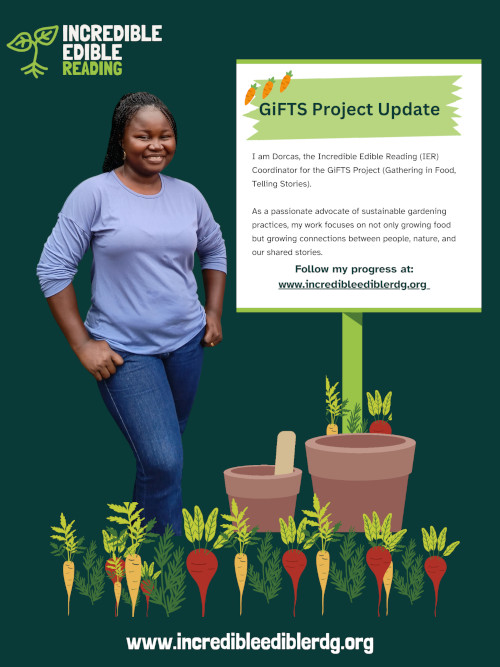
Figure 2: The GiFTS Project was supported by funding from the Transition Together project (National Lottery Fund) in 2024/25.
Back in Nigeria, farming built villages. In Reading, community gardening was quietly rebuilding communities in exactly the same way.
Building Connections
Serving as Coordinator of the GiFTS (Gathering in Food Telling Stories) Project transformed my understanding of community engagement. Rather than simply measuring project outcomes, I had the privilege of listening.
- Listening to volunteers.
- Listening to tutors.
- Listening to cross-generational gardeners.
- Listening to people who had quietly dedicated years of their lives to nurturing these green spaces.
Every interview became another reminder that gardens are living archives.
One moment continues to stay with me.
Following one of our Creative Lives-funded garden art workshops at Whitley GrowAllot, families remained long after the session had officially ended. Children proudly showed their painted pebbles. Older participants shared childhood memories inspired by flowers and herbs. Parents chatted over snack time while strangers became friends. No one seemed in a hurry to leave. That afternoon reminded me that community engagement cannot always be measured in attendance figures alone. Sometimes its greatest success is measured in conversations that continue after the activity has ended.
As a Food4Families Garden Tutor, I began designing workshops that blended gardening with creativity, storytelling, pebble painting, canvas art, memory sharing and seasonal crafts. What emerged was something much deeper than I had anticipated.
- Art became the doorway.
- Nature became the meeting place.
- Community became the outcome.
A Voice for Change
The United Nations' International Year of the Woman Farmer 2026 could not arrive at a more important time.
Across Africa and around the world, women continue to produce food, preserve biodiversity, safeguard traditional knowledge and strengthen local food systems. Yet their stories often remain invisible. I hope my own journey reflects a different narrative. One where farming is recognised not only as food production but as education.
- As environmental stewardship.
- As community leadership.
- As storytelling.
- As social connection.
This is also why I am passionate about promoting indigenous African crops like Fonio because, for generations, Fonio has quietly nourished communities across West Africa while requiring remarkably little water and thriving in challenging environments. Long before climate-smart agriculture became a global conversation, crops like Fonio were already demonstrating resilience.
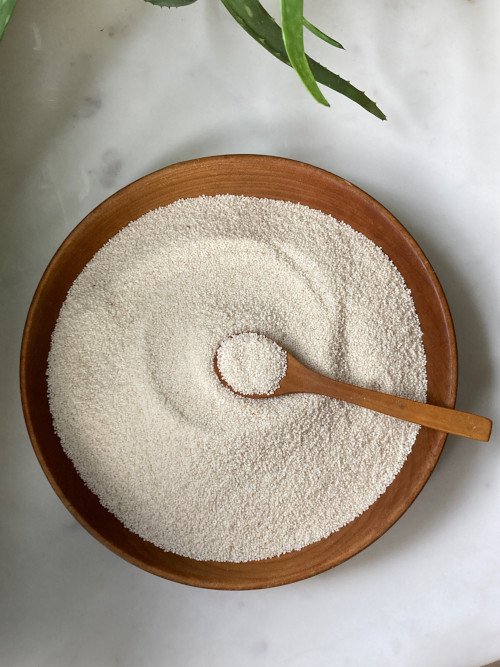
Figure 3: Fonio is a low-impact sustainable grain typically cultivated by women farmers in West Africa. Growers in Ghana have noted how Fonio tolerates growing in drier conditions, offering potential for this ancient grain to become a more stable and adapted crop across regions.
Promoting indigenous grains is not simply about preserving tradition. It is about recognising that many of tomorrow's sustainable food solutions have existed for centuries. Sometimes innovation begins by remembering.
Seeds for the Future
Throughout my journey from Nigerian farms to community gardens across Reading, I have discovered that the greatest harvest has never been tomatoes, herbs or pumpkins. It has been hope. Hope growing in neglected spaces. Hope growing across generations. Hope growing between strangers. Hope growing because someone believed a garden could become more than a place to grow food.
If I could leave one lesson with the next generation of growers, it would be this:
Grow people as intentionally as you grow plants.
Seeds need healthy soil.
Communities need healthy relationships.
When we invest only in crops, we feed people for a season.
When we invest in people, we cultivate resilience that can last generations.
Whether I am teaching a child to sow their first seed, inviting an older adult to paint a memory inspired by flowers, or helping neighbours transform an overlooked garden into a thriving community space, my purpose has remained unchanged: to help people rediscover that caring for the earth begins by caring for one another.
Nature has a remarkable way of reminding us that every great tree once looked impossibly small. Communities are no different. All they need is someone willing to plant the first seed.
Growing food. Growing people. Growing hope.