Brunel Hydrogen Research Vision
Brunel Hydrogen has set about expanding and diversify our hydrogen and hydrogen-related research, income, and impact, especially in areas where others cannot do so. Expanding the scope and scale of research beyond engineering to integrate social, digital, and physical science into hydrogen research. Working with new funders and strategic partners to develop unique new capabilities.
To discuss our hydrogen research please contact us at: hydrogen@brunel.ac.uk.
Research areas
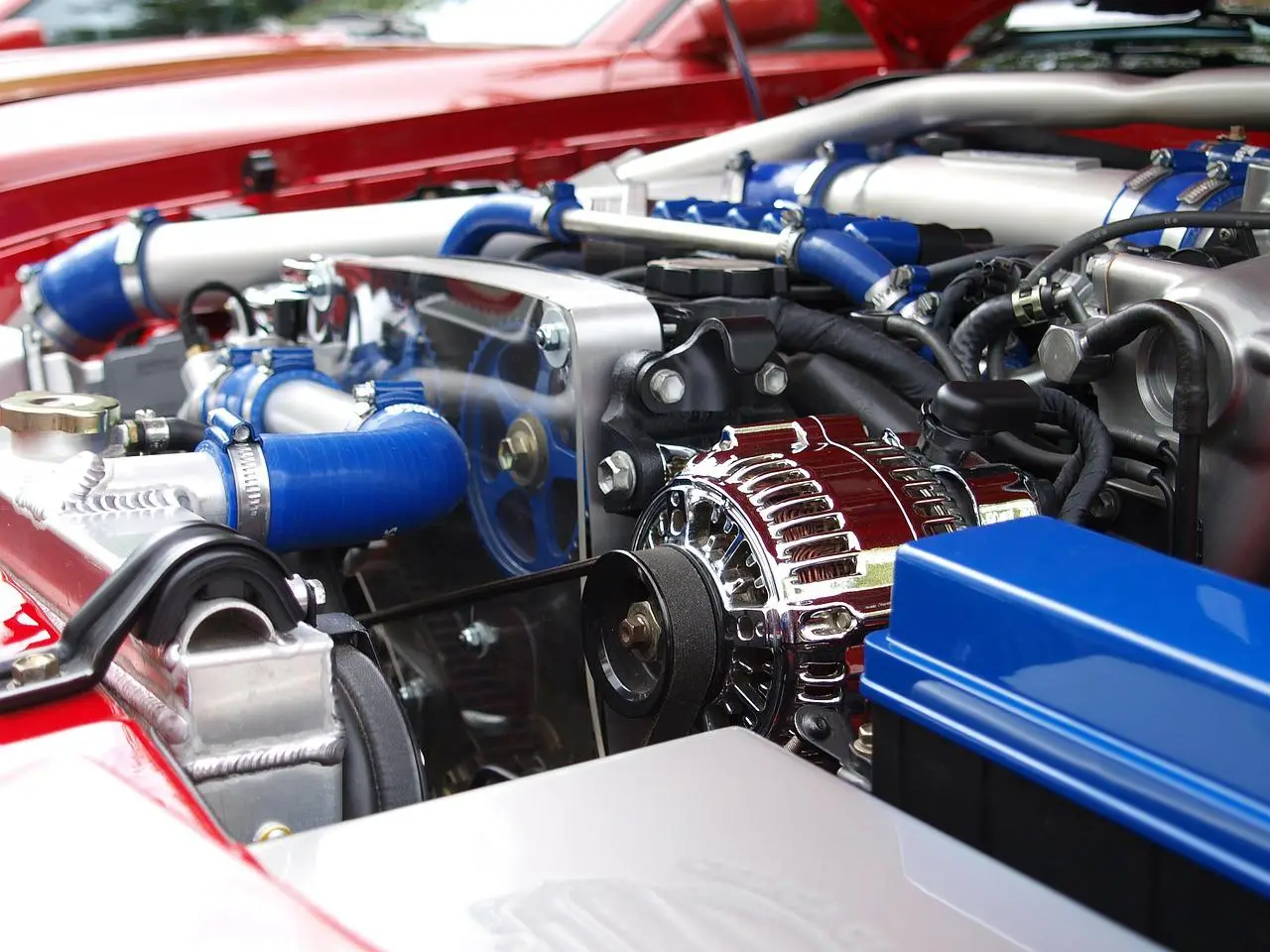
Engine

Social
There are various areas that we are exploring currently and in the future, expand the boxes below to find out more.
Hydrogen and ammonia combustion research
Begun in 2023, we aim to expand and sustain the scope and scale of collaborative hydrogen and ammonia combustion research – into marine engines, static power generation, and off road.
- Identifying, mapping out, developing, and demonstrating transition combustion technologies for all relevant applications - fuels, engines, and processes
- To support, enable and accelerate the move from full diesel today to full hydrogen and ammonia ‘tomorrow’.
Our other hydrogen research areas and applications
We are working with members of the >20 Brunel Research Centres represented in Brunel Hydrogen to develop opportunities that include:
- Social science & business: techno-economic analysis, taxation & investment, business models, social perspectives, technology acceptance, lifecycle assessment, climate change, behaviour change, and public understanding.
- Control systems: power systems, renewables integration, grid balancing and optimisation, and electrolyser control.
- Materials & storage: composite tanks, storage vessel integrity, specialist alloys, fracture mechanics, and materials.
- Production & application: integrated carbon capture, thermal environments, solar photocatalytic production, plasma-catalysed production, thermal management systems, gas turbine systems, electrolysis improvements, sustainable catalysts, and new green hydrogen production methods.
In addition we are idetifying other relevant expertise and research gaps needing new external expertise.
Integrating social, digital, and physical science research in hydrogen & hydrogen related research
Bringing together academics and other experts across disciplines to design energy systems that are green, safe, trusted, intelligent, and economically viable.
- To support a thriving hydrogen economy which requires more than technological breakthroughs.
- To build an integrated hydrogen research ecosystem where physical sciences develop efficient and scalable technologies, digital sciences accelerate discovery through AI and advanced modelling, and social sciences ensure these solutions are feasible, trusted, and equitable.
Working with new funders and strategic partners
- Expanding the range of European collaborators and of non-industrial collaborators, including infrastructure partners, for large funding applications.
- Incorporating the Centre for Engineering and Manufacturing Excellence (CEME) and others into research funding applications as well as exploring non-traditional research funding sources.
Developing new and unique capabilities
- Developing equipment and facilities alongside technical, cross discipline, industrial, and government expertise.
- Developing a framework and pathway for hydrogen policy engagement and policy change, plus incorporating artists imaginative capabilities into research.
- Bringing new and younger researchers into research projects and provide them with a broad understanding of the relevance and impact in the bigger hydrogen economy.