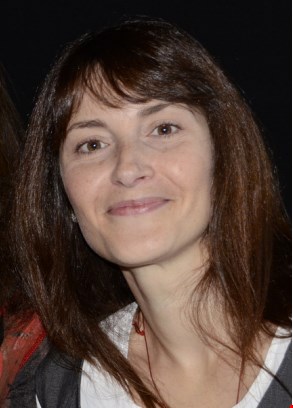
I am a Reader in Contemplative Neuroscience in the Department of Psychology, College of Health, Medicine and Life Sciences. I obtained a BSc in Psychology in 2000 from the University College London, UK, and a PhD in Cognitive Psychology in 2004 from the Institute of Psychiatry, Psychology and Neuroscience, King's College London, UK. My main area of research interest and expertise is the neuroscience of mindfulness, with a focus on investigating the effects of long-term mindfulness meditation practice using psychophysiology and neuroimaging methods, and applying the insights gained from this research to the prevention of mental illness as well as the promotion of mental health and wellbeing. I have been actively involved with the Mind and Life Institute since 2011 and with Mind and Life Europe since 2013, organisations that catalyse interdisciplinary scientific research into the effects of contemplative practices. In 2017, I was elected a Mind & Life Research Fellow for my contribution to contemplative science - the highest honorific recognition in my research field. I also actively engage with the ontological foundations of cognitive neuroscience, specifically the mind–brain relationship, and of the sciences more generally.
Positive schizotypy has been shown to be a double-edged sword: on the one hand, the aspects of magical thinking and unusual perceptual experiences have been linked with creativity; on the other hand, suspiciousness has been found to be a risk factor for psychosis and schizophrenia.
The main aim of the project is to conduct a randomised controlled trial with an active condition using an online mindfulness-based intervention to reduce suspiciousness in people high on positive schizotypy who also engage in creativity. The project will contribute to a larger research programme aimed at reducing the risk of psychosis and schizophrenia in people with high positive schizotypy.
Supervisor's interests
Dr Antonova’s research interest and expertise is the neuroscience of mindfulness with a focus on investigating the effects of long-term mindfulness meditation practice using psychophysiology and neuroimaging methods with the application to the prevention and management of mental illness as well as promotion of mental health and wellbeing.
How to apply
If you are interested in applying for the above PhD topic please follow the steps below:
- Contact the supervisor by email or phone to discuss your interest and find out if you would be suitable. Supervisor details can be found on this topic page. The supervisor will guide you in developing the topic-specific research proposal, which will form part of your application.
- Click on the "Apply here" button on this page and you will be taken to the relevant PhD course page, where you can apply using an online application.
- Complete the online application indicating your selected supervisor and include the research proposal for the topic you have selected.
Good luck!
This is a self funded topic
Brunel offers a number of funding options to research students that help cover the cost of their tuition fees, contribute to living expenses or both. The UK Government is also offering Doctoral Student Loans for eligible students, and there is some funding available through the Research Councils. Many of our international students benefit from funding provided by their governments or employers. Brunel alumni enjoy tuition fee discounts of 15%.