
Overview
Our Creative Writing MA degree is designed to equip you with a broad range of advanced creative writing skills and academic accreditation for your creative work.
Teaching is delivered by some of the most talented and original writers working today. Between them they have published over 100 books, produced countless scripts for TV, radio and film, and won umpteen awards. The team includes Bernardine Evaristo, 2019 winner of the world’s most prestigious prize for the novel, the Booker Prize, for her Sunday Times No. 1 bestselling novel, Girl, Woman, Other. As well as the stand-alone ‘general’ programme, there is the more specialised Novel writing pathway.
- General: Build an advanced knowledge on the current theory and practice of writing in the community and develop an understanding of the role of the writer in arts initiatives and creative industries.
- The Novel: Gain a deeper insight into the structure of a novel and develop the techniques to critically assess a variety of novel forms and genres at a professional industry level.
You have the advantage of Brunel’s close location to London, the literary capital of the UK. You’ll benefit from trips to the British Library, Shakespeare’s Globe and West End theatres. You'll also get to hear from guest lectures covering different aspects of creative writing. Industry expert speakers include book publishers, screenwriters, poets and broadcasters.
Your writing talent can also be showcased at a variety of performances hosted by Brunel including poetry, plays, comedy and film screenings, literary debates, and the popular Brunel Writers’ Series.
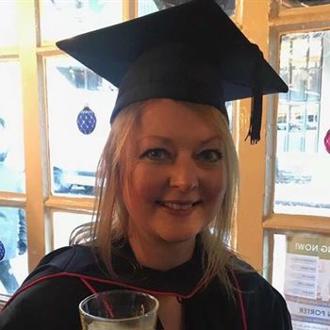
"I chose Brunel due to its Creative Writing programme and impressive staff list" - Shelley Dootson-Greenland
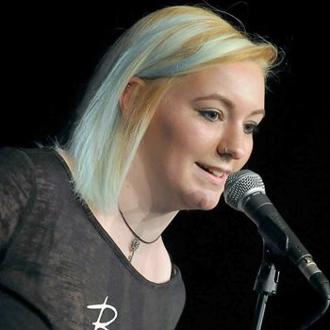
"After I graduated I knew I wanted to work in the charity sector, ideally with children or young people, and the work and volunteering I’d undertaken in the summer break had given me a good set of transferable skills." - Catharine Kyle
"I chose Brunel due to its Creative Writing programme and impressive staff list" - Shelley Dootson-Greenland
"After I graduated I knew I wanted to work in the charity sector, ideally with children or young people, and the work and volunteering I’d undertaken in the summer break had given me a good set of transferable skills." - Catharine Kyle
Please enable cookies to view this video.
Click here to view the videoYou can explore our campus and facilities for yourself by taking our virtual tour.
Course content
You'll study two compulsory pathway-specific modules and two optional modules, plus the dissertation. Your dissertation project involves the production of a substantial and original piece of extended writing.
Compulsory
- CW5610 - Creativity
Creativity focuses on how creativity is manifested in a variety of contexts – the nature and status of creativity; the places, times, mental states in which creativity is most likely to occur; the claim that certain strategies and exercises can increase creativity; the notion that writers must also be critical readers. The module provides students with a critical vocabulary to read their own writing and to contribute to critical conversations about the work of their peers.
- CW5601 - Elements of FictionIn this module students will analyse and explore the different elements of fiction. The module aims to enable students to: analyse a wide variety of contemporary literary fiction, utilise these elements in their own fiction, and use a range of advanced critical and evaluative concepts relevant to the creation, reading and interpretation of these elements in their own and other’s work.
- CW5XXX - How to Write a Novel
- CW5600 - Creative Writing Dissertation
Optional
- CW5616 - Creative Non-Fiction
This module will provide students with a comprehensive understanding of different forms of creative non-fiction writing for different mediums e.g. life writing, the personal essay, reviewing and criticism, memoir, autofiction, nature writing. It will provide students with a critical understanding of a range of creative non-fiction theoretical perspectives and allow them the opportunity to evaluate creative non-fiction texts using critical reading skills and methodologies. Students will experiment with different forms of creative non-fiction writing using a range of literary techniques.
This course can be studied undefined undefined, starting in undefined.
Please note that all modules are subject to change.
Read more about the structure of postgraduate degrees at Brunel
Careers and your future
A creative writing degree from Brunel will prepare you for a professional creative writing career. Our graduates are working in journalism, publishing, advertising, television, radio and the internet.
Many have gone on to have their novels and poetry collections published including: Alarum by Wayne Holloway Smith; Sky Pirates by Liesel Shwartz; Dream on Amber by Emma Shevah; The Beekeeper of Aleppo by Christy Lefteri and Careless by Kirsty Capes.
Our academics are well established in the industry, have won many awards and honours and written for major national newspapers and magazines across the country. Their experience, contacts and knowledge of the literary industry can go a long way to putting you on the right track to success as a graduate.
UK entry requirements
- A 2.2 (or above) UK honours degree in English Literature (including where English Literature is a major in the degree) and Creative writing.
Or
- A 2.2 (or above) UK honours degree in any other subject. In addition to this, applicants who do not hold a 2.2 degree in English Literature or Creative Writing must also submit a sample of their creative writing. This should be a 2000 to 3000 sample of original prose fiction (e.g. short stories, novel chapters-in-progress).
International entry requirements
If you require a Tier 4 visa to study in the UK, you must prove knowledge of the English language so that we can issue you a Certificate of Acceptance for Study (CAS). To do this, you will need an IELTS for UKVI or Trinity SELT test pass gained from a test centre approved by UK Visas and Immigration (UKVI) and on the Secure English Language Testing (SELT) list. This must have been taken and passed within two years from the date the CAS is made.
English language requirements
- IELTS: 6.5 (min 6 in all areas)
- Pearson: 59 (59 in all subscores)
- BrunELT: 6.5 (min 6 in all areas)
- TOEFL: 5 (min 4.5 in all subscores)
You can find out more about the qualifications we accept on our English Language Requirements page.
Should you wish to take a pre-sessional English course to improve your English prior to starting your degree course, you must sit the test at an approved SELT provider for the same reason. We offer our own BrunELT English test and have pre-sessional English language courses for students who do not meet requirements or who wish to improve their English. You can find out more information on English courses and test options through our Brunel Language Centre.
Please check our Admissions pages for more information on other factors we use to assess applicants. This information is for guidance only and each application is assessed on a case-by-case basis. Entry requirements are subject to review, and may change.
Fees and funding
2026/27 entry
International
£20,400 full-time
£10,200 part-time
UK
£12,125 full-time
£6,060 part-time
More information on any additional course-related costs.
Fees quoted are per year and are subject to an annual increase.
See our fees and funding page for full details of postgraduate scholarships available to Brunel applicants.
Scholarships and bursaries
Teaching and learning
Assessment and feedback
Your progress will be assessed via writing and research assignments, essays, coursework portfolios, journals, group practical exercises, individual and group presentations, and your dissertation.
Read our guide on how to avoid plagiarism in your assessments at Brunel.