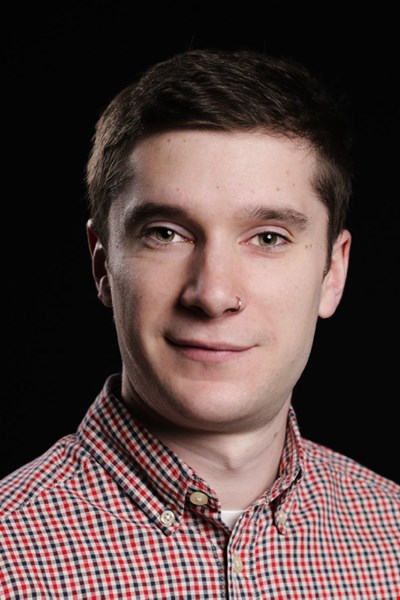
As an interdisciplinary scientist with a background in biology and analytical chemistry, my research interests are focussed on the impact of chemicals in the environment and the interaction this chemical stress has with other environmental stressors. My expertise lies in small molecule mass spectrometry to determine chemicals found in the environment (especially in wildlife) and to determine biomarkers and pathways associated with adverse effects in exposed organisms. I am also interested in the integration of artificial intelligence within environmental toxicology to support and solve different environmental challenges. From the start of my PhD at King's College London my research was originally focussed on the uptake, biotransofrmation and elimination of pharmaceuticals in a freshwater invertebrate (Gammarus pulex) commonly found in UK rivers. I developed and validated machine learning models to predict these proccesses to support and potentially replace bioaccumulation testing during environmental risk assessments. I then moved into a postdoctoral position where I focussed on understanding the impact of pharmaceuticals by assessing behavioural disruption in these organisms. I developed and applied metabolomic workflows to gain a mechanistic understanding of animal behaviour and to link cause-effect relationships for different drug exposures. Here at Brunel, I will be working in three main areas concerned with chemical pollution. First is concerned with the determination of chemicals (and mixtures) using exposomics to characterise the chemical space in the environment, with a focus on internalised residues in animals. Second, improving mechanistic understanding of cause-effect relationships using metabolomics and lipidomics to determine biochemical changes that are phenotypically anchored. Finally, development and application of AI to support envrionmental risk assessment, replace animal testing and improve interpretation of complex datasets to better understand animal health.
The NERC TREES DLA is offering a fully funded PhD studentship in collaboration with Brunel University of London, the Institute of Zoology (part of the Zoological Society of London) and the Environment Agency (EA) to investigate and understand the mechanisms of uptake and elimination of pharmaceuticals in a model organism and develop machine learning (ML) approaches to model bioaccumulation of these substances. The studentship will offer the successful candidate a first-rate, challenging research training experience within the context of a mutually beneficial research collaboration, between academic, third-sector and regulatory organisations.
Background. Anthropogenic stress in the form of chemical pollution has a significant impact on animal health for both wildlife and farmed animals at all levels of biological organisation. For most chemicals, the potential uptake, biotransformation and elimination of those chemicals in/from organisms is not well studied, restricting predictions and understanding of potential mechanisms of toxicity. It is critical that we investigate mechanisms of uptake and elimination that also enable translational understanding across different species.
A second challenge is highlighted by a recent publication that estimated the global chemicals market contains >350,000 chemicals (Wang et al., 2020) and the industry is expected to double by 2030 (UNEP, 2019). Moreover, for the minority of chemicals that are tested, a significant number of animals are used, which is at odds with the desire to reduce, refine and replace the use of animals in testing. This can often be compounded by slow uptake of New Approach Methodologies (NAMs) to reduce animal use by industry, driven by a concern around how these methods ensure adequate coverage for unknown chemicals and whether such methods will be accepted by global regulatory bodies (NC3Rs, 2020). Thus, the science, industry and regulatory interface needs comprehensive evidence-based approaches and disruptive technologies to enable the move away from animal testing for the effective and safe management of chemicals to protect human and animal health in the environment.
Importantly, pharmaceuticals are a unique set of chemicals that are ionisable, often containing acidic and basic functionality (some compounds contain multiple sites of ionisation), which can influence bioavailability, uptake and elimination, affecting bioaccumulation. Significant knowledge gaps remain concerning the role of ionisation in the bioaccumulation of pharmaceuticals, with many models developed for neutral organic chemicals where data are more readily available. It is critical that the role of ionisation is investigated further to understand how water chemistry and compounds’ physicochemical properties can affect bioaccumulation.
The proposed research will generate toxicokinetic data from D. magna and model these data using ML to predict uptake and elimination kinetics of multiple pharmaceuticals. Toxicokinetic experiments will be conducted using mixture-based exposures to generate a large and useable dataset. Exposure will be repeated across different pHs (maintaining environmental relevance) to investigate the degree of compound ionisation and the changes in bioaccumulation potential. Molecular data and model parameters will be extracted to understand structural motifs that affect uptake, biotransformation and elimination in these organisms.
This project is an interdisciplinary collaboration between Brunel University of London, the Institute of Zoology and the EA which is the regulatory organisation dedicated to protecting and improving the environment in England. As part of the studentship you will go on a placement with the EA for a minimum of 3 months.
Training and Development. You will receive extensive multidisciplinary training in techniques to develop a valuable set of technical and theoretical expertise for a successful career as an independent scientist. The work will be approximately a 50:50 split between ‘wet lab’ and computational analysis that will develop the students’ capabilities and skillset in both areas. You will receive comprehensive training in sample preparation, analytical method development (LC-MS/MS), animal husbandry, exposure experiments (to regulatory standards), and coding in Python/R for machine learning, modelling, and chemometric data analysis. In particular, you will receive in-depth training in data science and artificial intelligence, enhancing your computational literacy and supporting the UK’s competitiveness in digital skills.
Eligibility
You must hold, or be expected to achieve, a first or high upper second-class undergraduate honours degree or equivalent (for example BA, BSc, MSci) or a Master's degree in a relevant subject (e.g. Biosciences, Analytical Science, Ecotoxicology etc). Prior experience in data analysis/visualisation, machine learning and/or analytical chemistry would be beneficial for this project. Candidates that have a relevant background in maths and/or data analytics that would like to develop biological knowledge, and analytical chemistry skills will also be suitable for this position. For further information on eligibility please refer to the TREES website.
How to apply
ENQUIRIES - TREES.Admissions@ucl.ac.uk
https://www.trees-dla.ac.uk/apply
Meet the Supervisors

I am an environmental scientist with a particular interest in the taxonomy and ecology of aquatic organisms and pollution of aquatic environments. In my research I combine ecological theory and environmental topics (e.g., nutrient-, antibiotic- or plastic pollution of fresh waters) and focus on vulnerable taxonomic groups such as organisms that cannot be seen with the naked eye but that drive the bulk of ecosystem processes on earth. For example, freshwater quality (i.e., the health of groundwater, lakes or rivers) is maintained by a community composed of mostly tiny organisms. Before joining Brunel, I was employed at the University of Roehampton, London, as a senior lecturer. My work history also includes two post-doctoral research positions, at Queen Mary University of London and at the River Laboratory, QMUL (Dorset), respectively. My full research profile and a list of my publications is available here.